
Service · Light Tinting
Light Tinting
Enhance your vehicle's appearance with custom headlight and taillight tinting.
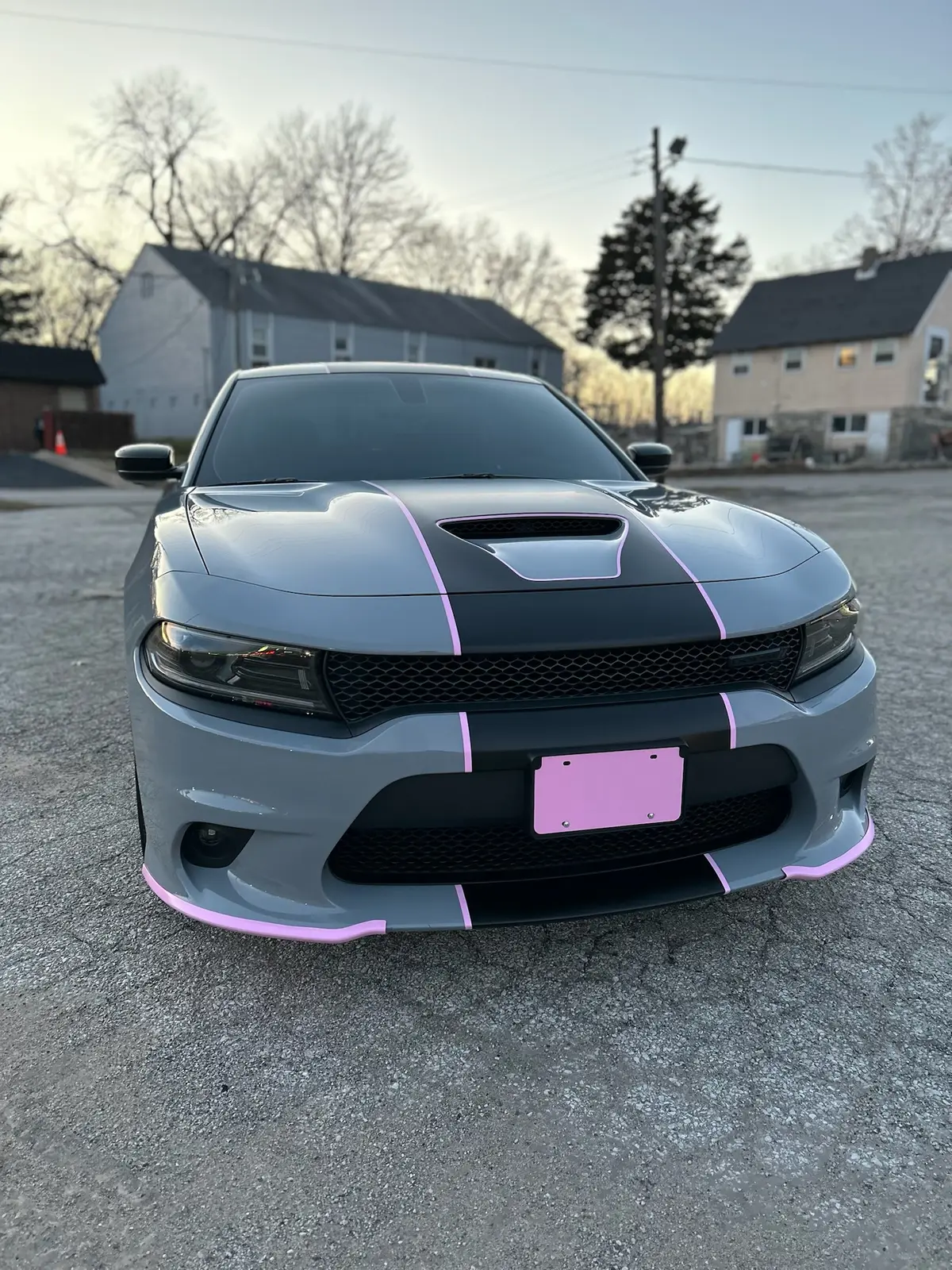
- Custom
- Taillight shades
- Lifetime
- Material warranty
- Free
- Estimate in 24h
- By appt
- Dedicated bay
What’s included
- 01
Light and film assessment
Inspect the lenses and discuss the intended appearance, film shade, light output, and applicable requirements.
- 02
Cleaning and surface preparation
Decontaminate the lenses and prepare the surface without trapping dirt or residue.
- 03
Film shaping and placement
Measure, shape, and position the film for the light assembly.
- 04
Application and edge finishing
Apply the film across the lens, conform it around curves, and trim and secure the edges.
- 05
Inspection and care review
Check the finish and light operation, then explain the curing period and safe cleaning.
A reversible styling change for headlights and taillights
Light tinting applies automotive film over a headlight, taillight, or selected marker-light lens to change its appearance. It can create a subtle smoked look, tie exterior accents together, or provide a removable alternative to painting the lens. Because lights are safety equipment, the visual effect cannot be considered separately from light output, reflector visibility, lens condition, and the requirements that apply where the vehicle is registered and driven.
We begin by inspecting the light assemblies for cracks, failing clear coat, previous coatings, moisture, and surface damage. The lenses are cleaned and decontaminated so debris is not trapped beneath the film. The selected material is then measured, shaped, and applied across the lens, with careful work around compound curves, edges, lettering, and body-panel gaps. Once installed, the film and lights are checked for a clean finish and normal operation.
What affects the price?
Pricing depends on the number and size of lights, lens shape, selected film, shade, vehicle access, surface condition, and removal of old film or coating. Large or deeply curved assemblies generally require more material and installation time than small, flat lenses. Cracked, peeling, oxidized, or previously painted lenses may require separate restoration or may not be suitable for film. Any bundled headlight-and-taillight package specifies exactly which assemblies are included.
Installation and cure time
The installation itself may be relatively focused, but cleaning, shaping, edge finishing, and inspection should not be rushed. Complex curves, old-film removal, or poor lens condition can extend the appointment. The film also needs time to settle after installation. We provide timing and first-wash instructions based on the actual product used and the day's conditions rather than publishing one universal turnaround.
Caring for tinted lights
Follow the cure guidance we give you before washing the vehicle. Clean tinted lenses with mild automotive soap and a soft wash mitt or microfiber towel. Avoid abrasive compounds, stiff brushes, harsh solvents, and pressure directed closely at film edges. Do not pick at an edge that appears loose. Have it inspected before water and debris work farther beneath the material.
Check the lights regularly for normal function and adequate visibility, particularly after any film change, bulb change, or damage. If the appearance or light output no longer suits you, professional removal is safer than cutting or peeling the film against the lens or surrounding paint.
Questions
Light Tinting FAQs
Is light tinting legal?
It depends on the shade, the assembly, and where your vehicle is registered and driven, because lights are safety equipment and the rules vary. We review the appearance you want alongside light output and visibility before recommending a film.
How long does the tint last?
With proper care, the tint can last several years.
Does light tinting reduce headlight or taillight output?
Any tinted material can affect the amount or appearance of light passing through the lens. The effect depends on the film, shade, light assembly, and vehicle, so appearance and visibility should be reviewed together.
Can light tint film be removed later?
Film is generally removable, but safe removal depends on the condition of the lens and any existing coating or damage. Professional removal reduces the risk of scratching the lens or nearby paint.
How should tinted headlights and taillights be cleaned?
Use mild automotive soap and soft wash tools. Avoid abrasive polish, harsh solvents, stiff brushes, and high pressure close to the film edges.
Interested in light tinting?
Tell us what you have in mind and we'll get back to you with a free, no-obligation quote.